What are Public Performance Rights?
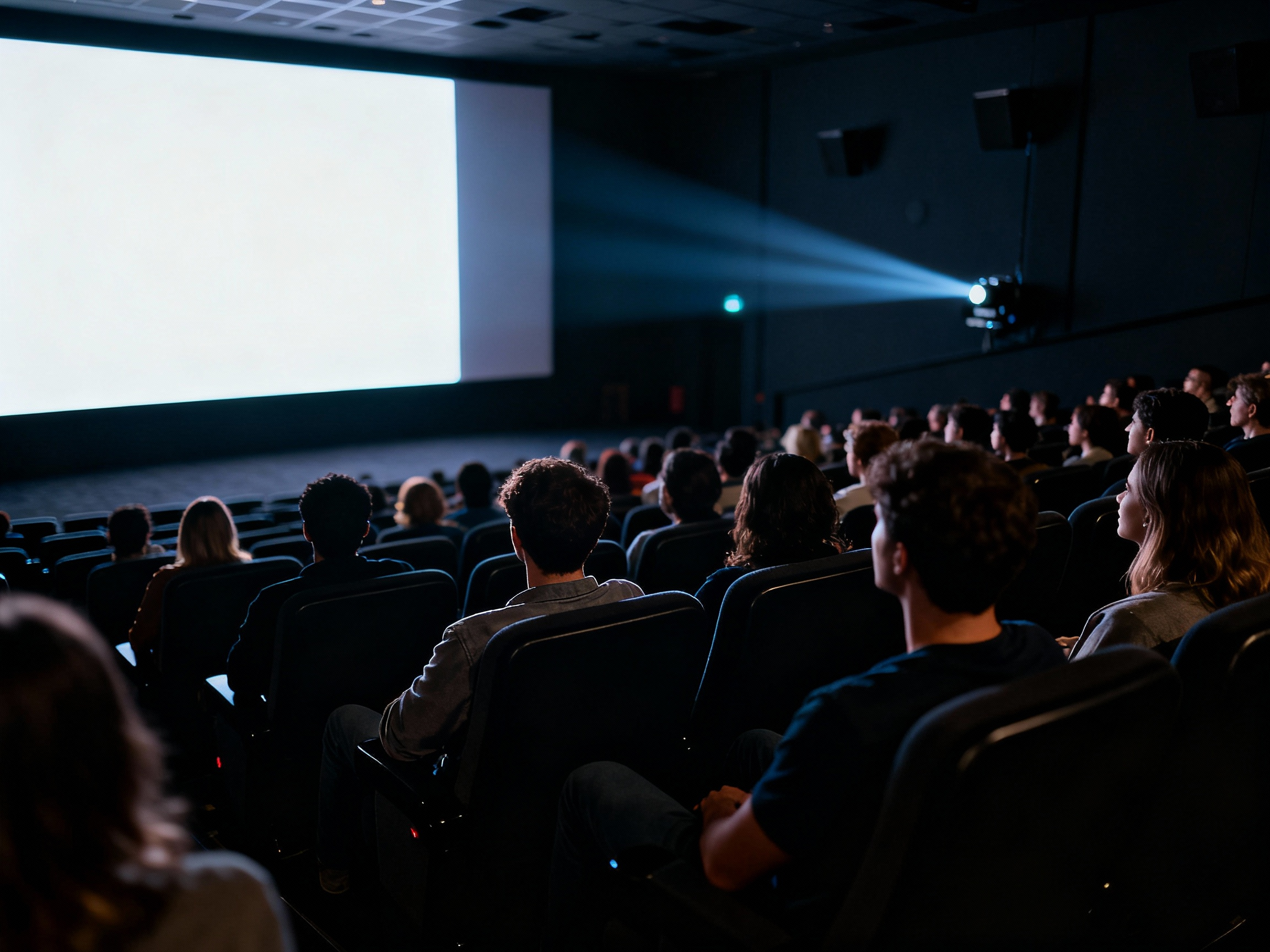

When Do You Need Public Performance Rights?
If you're planning to show a movie outside your home—and invite anyone beyond your immediate family or a few close friends—you likely need what's called Public Performance Rights (PPR). These rights apply to a wide range of events, venues, and organizations. Let’s break down the most common scenarios where a movie license is legally required.
Community Events (Libraries, Parks, Fundraisers)
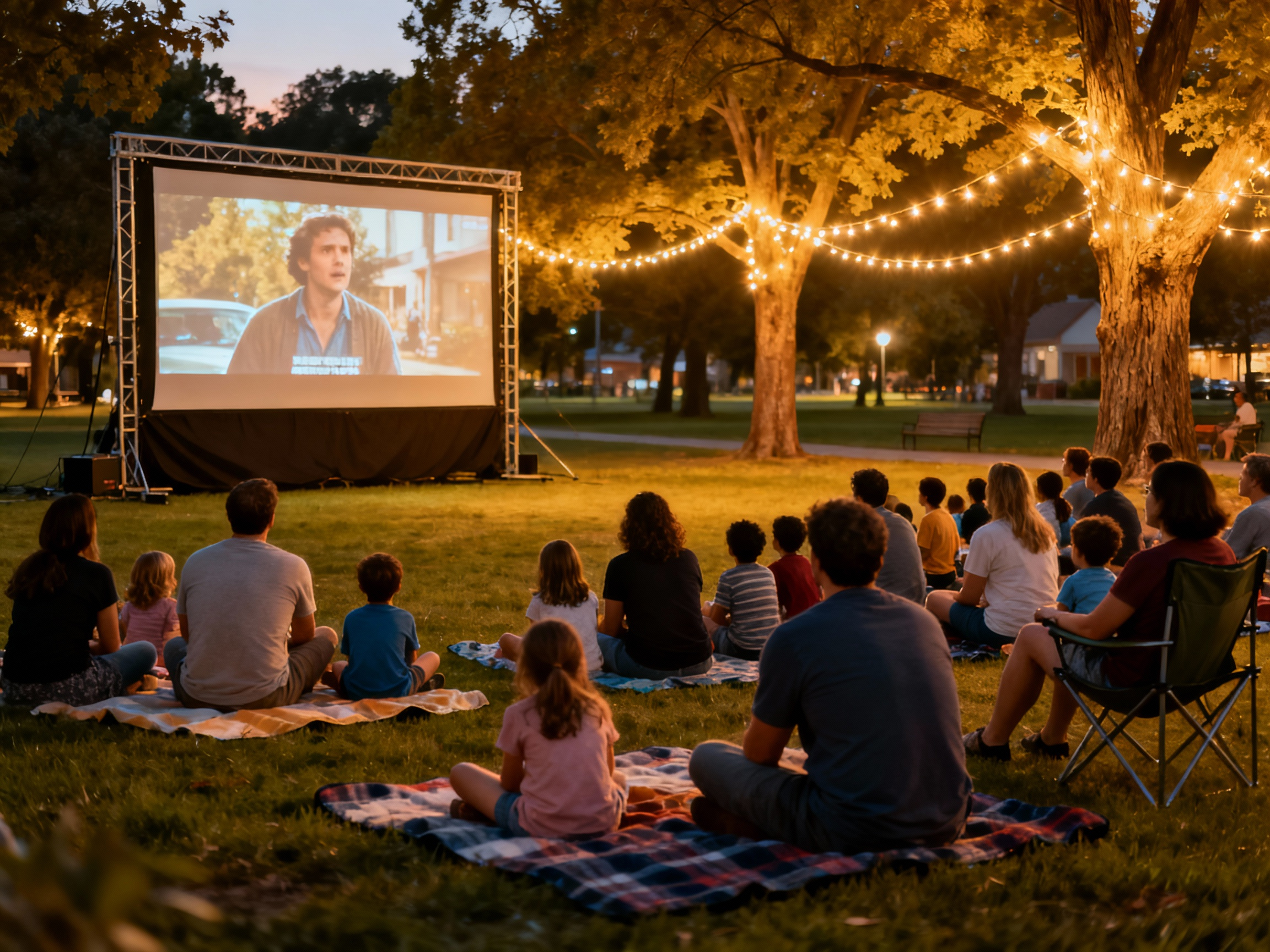
Hosting a movie night in a library, local park, or during a neighborhood fundraiser? Even if your event is free to attend, it still qualifies as a public performance, and yes—you need a license.
- Venue type: Public, nonprofit setting
- Audience: Larger, open to the public
- License required even if no admission is charged
Schools, Colleges & Universities
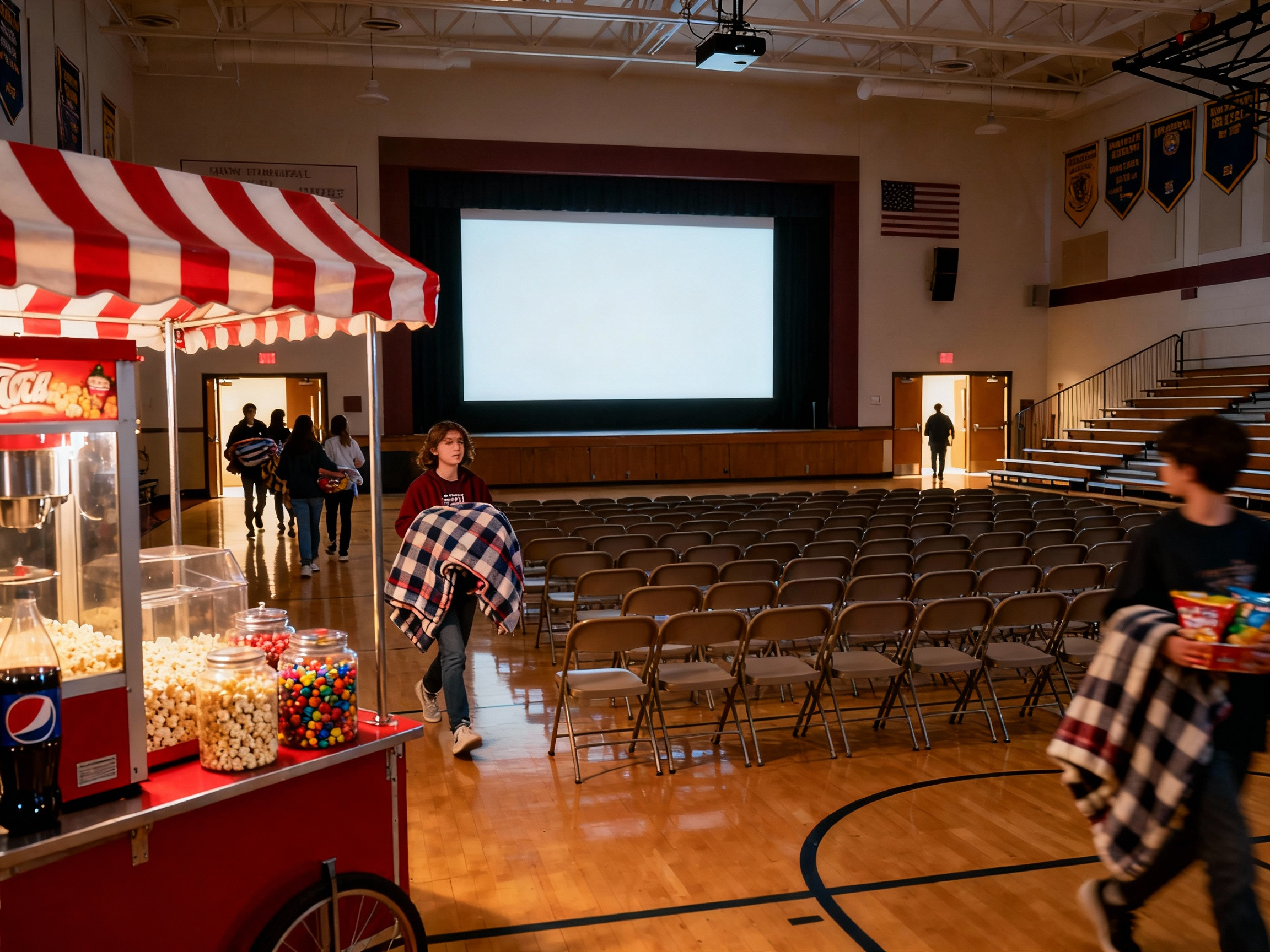
Educators often assume that any use of film in class is fair game. That’s partly true—but it depends on the context. If the screening is strictly for face-to-face teaching and closed to outsiders, you’re usually covered by an exemption. But for school-wide events or orientation nights, a license is required.
- Curriculum-based use? No license (in most cases)
- Recreational or extracurricular event? License required
Churches and Religious Gatherings
Faith-based organizations often show films to create community or enrich worship. Any public screening—even in a church setting—requires permission.
Corporate or Business Events
If your business plans staff movie nights, team building, or client events, you cannot legally stream or play a movie without a commercial-use license.
- License needed for internal or client events
- Streaming from personal accounts (Netflix, Prime, etc.) is still illegal
Film Festivals or Independent Screenings
Whether it’s a small indie night or a full festival, every screening must be licensed—even for student films.
- Permissions must be written
- Factor licensing costs into your budget
- Indie distributors may offer flexible models
When You Don’t Need a License
Face-to-Face Teaching Exemption
If you're showing a movie as part of classroom instruction in a nonprofit educational institution, there's a legal exception you can rely on—the Face-to-Face Teaching Exemption under U.S. Copyright Law (Section 110(1)).
- The teaching occurs in a classroom or similar place, not online or remote
- The audience consists only of enrolled students
- The movie is legally obtained (not a bootleg copy or unauthorized download)
- The screening is for instructional—not entertainment—purposes
Small Private Gatherings at Home (Clarified)
If you're watching a movie at home with a few friends or family members, you typically do not need a license. This falls under “private home viewing,” which is permitted under most streaming services’ terms and U.S. copyright law.
- A limited audience of people you personally know (not the general public)
- Hosted in a private residence—not in a community center, gym, or park
- No tickets sold, donations collected, or public advertising promoted
Public Domain or Open License Films
Some films are in the public domain or released under Creative Commons or open licenses, allowing them to be legally shown in public without a license.
- Check verified databases like PublicDomainMovie.net or the Internet Archive
- Look for formal declarations about public domain or open licensing
- Always review the specific license terms, especially under Creative Commons
Fair Use Myths & Misconceptions
Many people believe “educational use” or “nonprofit status” automatically qualifies as fair use. This is a common myth.
- It typically applies to excerpts, not full-length films
- It favors commentary, criticism, or parody—not entertainment or convenience
- Claiming educational purpose doesn’t automatically make it fair use
- There’s no blanket exemption for nonprofits
Licensing Vendors: Who to Contact and What They Offer
Swank Motion Pictures
Swank is one of the most widely-used movie licensing companies in the United States, especially for public performance rights outside a traditional theater setting. They represent major Hollywood studios like Universal Pictures, Warner Bros., Sony, and more.
- Best For: Schools, colleges, libraries, parks and recreation events, and faith-based organizations.
- Licenses for both indoor and outdoor public movie screenings
- Extensive catalog of mainstream and educational films
- On-demand movie programming suggestions and toolkits
MPLC (Motion Picture Licensing Corporation)
MPLC specializes in umbrella-style licenses, granting unlimited access to screen content from covered studios without reporting each title individually. They're ideal when you want ongoing flexibility.
- Best For: Businesses, corporate training, waiting rooms, places of worship, gyms, government buildings.
- “Umbrella License” that covers thousands of titles from 1,000+ studios
- No need to report individual showings
- Annual and multi-year licensing options
Criterion Pictures USA
Criterion Pictures is known for being the exclusive licensing agent for titles from 20th Century Studios (formerly Fox). They also carry a strong collection of educational and foreign titles.
- Best For: Higher education institutions, academic libraries, film studies programs, and specialty film fans.
- Licenses for public screenings of academic films and international cinema
- Specific licenses for Canadian and U.S. institutions
- Support for both physical and digital screenings
Kino Lorber, Film Movement, and Other Niche Distributors
These smaller distributors are perfect for screening independent, art house, or foreign films that aren’t available through mainstream licensors.
- Best For: Museums, indie film festivals, universities, community film clubs, and documentary screenings.
- Flexible single-event and annual screening licenses
- Critically acclaimed international films and documentaries
- Direct-to-distributor negotiation opportunities
Vendor Comparison Table
| Vendor | Best For | Type of License | Studios Covered | Outdoor Events? |
|---|---|---|---|---|
| Swank Motion Pictures | Schools, Libraries, Parks | Per-title License | Universal, Sony, Warner Bros., More | ✔️ |
| MPLC | Businesses, Churches, Gyms | Umbrella License | 1,000+ Studios | ❌ |
| Criterion Pictures USA | Colleges, Universities | Per-title and Annual | 20th Century Studios, Indie/Foreign | ✔️* |
| Kino Lorber, Film Movement, Others | Film Festivals, Art House Events | Custom per-event or title | Independent & International Titles | ✔️ |
Streaming Services: Can You Show Netflix, Amazon, Hulu, etc.?
Streaming Platform Terms of Use
It’s a common misconception: you pay for a Netflix or Amazon Prime subscription—so you should be allowed to show a movie from that account at your event. Unfortunately, that’s not how licensing works.
Streaming platforms like Netflix, Hulu, Disney+, and Amazon Prime Video have clear terms of service that limit your use of their content to personal and private use only. Here’s what that means:
- Personal use means the account holder and immediate family or friends watching at home.
- Public display refers to any showing that falls outside your home or involves a broader audience — even if no money is charged.
So if you’re planning to stream a movie from your subscription at a school event, church group, fundraiser, or even a company training—you’re violating the platform’s agreement unless you’ve secured a separate license.
Official Positions on Public Display
To remove the guesswork, here’s a breakdown of where major streaming platforms stand on public showings:
- Netflix: Offers limited public screening rights for select original documentaries. All other content is for private viewing only.
- Amazon Prime Video: Does not offer public performance rights. All content is strictly for personal use.
- Hulu: No public display rights. Subscription content is personal only.
- Disney+: Personal/home usage only. No public showing allowed under standard terms.
Streaming Platform Policy Overview
| Streaming Platform | Public Showing Allowed? | Exceptions |
|---|---|---|
| Netflix | ❌ | Yes, for select documentaries (see list) |
| Amazon Prime Video | ❌ | None |
| Hulu | ❌ | None |
| Disney+ | ❌ | None |

Legal Risks of Skipping a License
Real-World Examples of Legal Penalties
While it might seem harmless to show a movie at a community event without checking licensing rules, some organizations have paid a heavy price for that mistake.
Possible Fines & Legal Consequences
Publicly exhibiting a copyrighted movie without the proper license is classified as copyright infringement under U.S. law (Title 17, U.S. Code). Here’s what can happen if you skip licensing:
- Fines from $750 to $150,000 per infringement, depending on whether it’s “willful”
- Cease-and-desist letters that may escalate to lawsuits
- Reputational damage—especially for nonprofits, schools, or churches
- Legal expenses—even if a settlement is reached out of court
Many organizations wrongly assume that having a Netflix or Amazon Prime subscription allows them to share content publicly. It doesn't—streaming platforms are only for personal, private use unless specifically licensed.
How to Respond If You’re Contacted About Compliance
If you’ve been contacted by a studio, licensing agency, or legal team regarding unauthorized screening, don’t panic—but take it seriously. Here's what to do:
- Read the letter carefully. Identify if it’s a cease-and-desist, payment demand, or inquiry.
- Do not delete evidence. Removing social media posts or event pages may worsen the situation.
- Contact an attorney—preferably one with experience in intellectual property law.
- Evaluate your options. Rights holders may offer reduced settlements if it’s a first offense.
- Create a compliance plan for future events to avoid repeat issues.
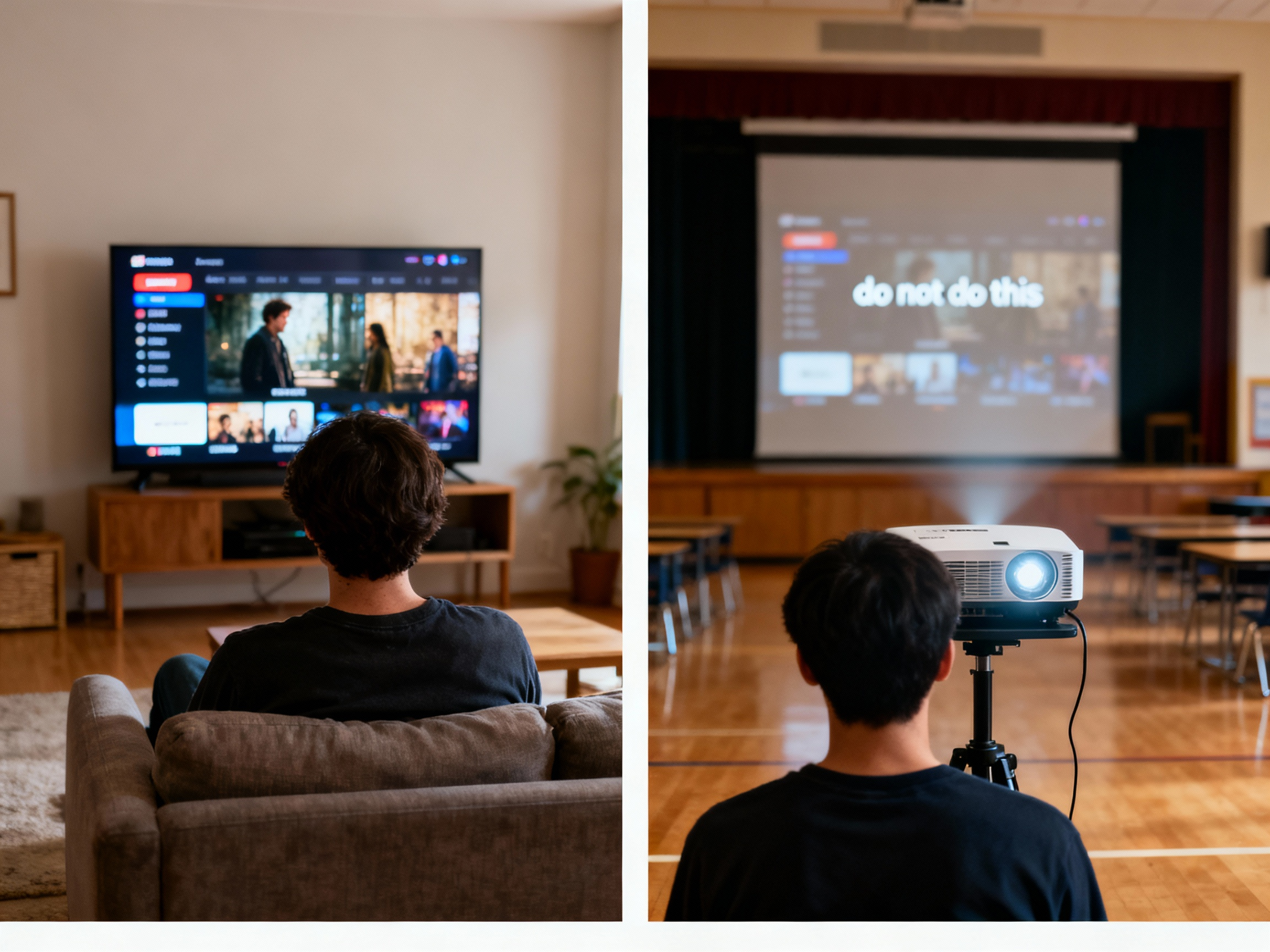
Key Takeaways
If you're planning on showing a movie outside your home—even if it's just your local PTA meeting or a cozy church gathering—it’s crucial to follow the legal pathway. Here’s what you need to keep in mind before your next screening:
- Always secure a license before showing a movie publicly. A simple movie night at a park, library, or school qualifies as a “public performance.”
- Know the difference between when a license is and isn’t needed. Private home viewings don’t require licensing—but public or organizational settings do.
- Use verified vendors like Swank, MPLC, and Criterion Pictures. Start early—vendors often request title, audience size, date, and venue.
- Streaming services are not exempt. Netflix, Disney+, and Amazon Prime do not allow public showings under their standard terms.
Ready to stay compliant and keep your event stress-free? Download our free checklist for public movie screenings or contact a licensed vendor today to stay on the right side of the law.
Q1: Do I need a license to show a movie at a nonprofit fundraiser?
Yes, in nearly all cases, you need a public performance license to legally show a movie at a nonprofit fundraiser—regardless of whether you’re collecting money or not.
Why Even Free Events Still Require a License
Here's a common misconception: “As long as we don’t charge admission, we’re safe.” Not true. Under U.S. Copyright Law, the setting—not the admission—defines whether it's a public performance.
- Showing a movie at a park, church hall, or school auditorium to the public qualifies as public performance.
- Intent—fundraising, awareness, entertainment—doesn’t matter legally.
Quick Checklist: Will You Need a License?
- Showing the movie outside your private home?
- Inviting people beyond family/friends?
- Promoting a cause, raising awareness, or collecting donations?
- Advertising the event publicly?