Managing Territory Rights & Maximizing ROI
Table of Contents
1. Executive Summary
- 1.1. The Cost of Uncertainty: How Ambiguity Leads to Revenue Loss and Missed Opportunities
- 1.2. Quick Overview: Understanding the "Grey Zone" Risk Matrix
- 1.3. The Evolving Distribution Landscape: How Streaming, AI, and Globalization Are Changing the Game
2.The Geography of Distribution: What Exactly is a "Territory"?
- The “Eastern Europe & Caucasus” Dilemma: A Case Study of Post-Soviet Border States and Regional Ambiguity
- 2.2. Standard vs. Tailored Groupings: Why Terms like "CIS" and "MENA" Can Be Misleading
- 2.3. The Annex Strategy: Shifting from General Labels to Clear Country Lists
3. Financial Impact & ROI Strategy
- 3.1. Avoiding Overlap: Why Exclusivity is Key to Maximizing Revenue
- 3.2. Managing Holdbacks: Protecting Your Windowing Strategy in Multi-Territory Deals
- 3.3. The Hidden Costs of Legal Disputes: Prevention vs. Litigation
4.Crafting Effective Contracts for Rights Management
- 4.1. Writing the "Territory" Clause: Key Legal Considerations
- 4.2. Language and Geography: Managing the Risk of Uncontrolled Distribution
- 4.3. Geo-Blocking: How to Control Digital and Streaming Rights
5. Looking Ahead: Emerging Trends & Technologies (Insights from MIPCOM)
- 5.1. Content Mobility: Understanding How Viewer Habits Are Changing
- 5.2. The Role of AI: How AI-Driven Localization Can Affect Territory Rights
- 5.3. Strategies for Entering Emerging Markets
6. Practical Tools for Industry Professionals
- 6.1. The Negotiation Checklist: Key Questions to Ask Before Signing Any Deal
- 6.2. Template: The "Exclusionary Boundary" Clause
1. Executive Summary
1.1. The High Cost of Ambiguity: Revenue Loss vs. Strategic Accuracy
In film distribution, vagueness isn’t just a minor mistake it’s a costly problem. Using broad geopolitical labels like “Central Asia” instead of being specific about territories (like listing individual countries) can lead to fragmented rights.
Revenue Loss
When boundaries aren’t clearly defined, it introduces risk for buyers. If a streamer can’t be sure whether a territory is exclusive (e.g., does a post-Soviet border state fall within the licensed region?), they may lower the license fee or ask for extra legal protection.
Strategic Accuracy
Clear boundaries lead to better valuation of your content. Defining rights precisely helps in windowing selling the same content to different buyers in nearby regions without overlap.
The Bottom Line:
Undefined borders can trigger “Holdback Violations,” leading to penalties and damaging future sales opportunities.
1.2. Quick Overview: The "Grey Zone" Risk Assessment Matrix
This matrix outlines high-risk areas where vague definitions often lead to disputes over overlapping sales.
Region / Term
What’s Unclear (Grey Zone)
Risk Level
Financial Impact
Eastern Europe & the Caucasus
Does it include post-Soviet border states with ambiguous regional alignment? (A geopolitical classification issue)
Critical
Risk of selling rights twice, once to an Eastern European or CIS-aligned distributor and once to a Caucasus or EU-adjacent buyer.
Europe
Does it cover Russia/Turkey? (Political vs. geographical debate)
High
Potential loss of major market sales due to these countries being unintentionally included in a pan-European deal.
North America
Does it cover Caribbean territories?
Medium
Problems with “spillover,” where US broadcasters accidentally reach islands, violating local exclusivity agreements.

1.3. The Modern Distribution Landscape: Streaming, AI, and Globalization
This matrix outlines high-risk areas where vague definitions often lead to disputes over overlapping sales.
Streaming & Geo-blocking:
Global platforms like Netflix and Prime often buy rights with a “global” mindset, but local distributors need strong geo-blocking measures to make sure a sale in “Central Asia” doesn’t end up in “Europe” by mistake.
AI & Localization:
Language used to be a natural barrier, but now, with AI-driven dubbing and subtitling, it’s easy for a distributor in one region to quickly adapt content for a nearby area. Territory rights now need to specify “Language Availability” to avoid market overlapClear boundaries lead to better valuation of your content. Defining rights precisely helps in windowing selling the same content to different buyers in nearby regions without overlap.
Globalization (Insights from MIPCOM):
There’s been a rise in demand for non-English content. Buyers are more cautious about the “Rights Chain,” meaning it’s essential to have clear, precise territory definitions to secure high-value deals.
2. The Geography of Distribution: What Exactly is a "Territory"?
2.1. The “Eastern Europe & Caucasus” Dilemma: A Case Study of Post-Soviet Border States and Regional Ambiguity
When it comes to legal agreements, geography isn’t just about physical borders it’s about how markets are defined. Post-Soviet border states in Eastern Europe and the Caucasus are prime examples of “swing jurisdictions” in distribution contracts, meaning they can cause significant problems if they are not clearly defined.
The Problem:
When it comes to legal agreements, geography isn’t just about physical borders, it’s about how markets are defined. Post-Soviet border states in Eastern Europe and the Caucasus are prime examples of swing jurisdictions in distribution contracts, meaning they can cause significant problems if they are not clearly defined.
The Risk:
If you sell the “Eastern Europe” rights to one buyer and the “Caucasus” rights to another, without explicitly clarifying the status of post-Soviet border states, you’re effectively selling the same rights twice. This can lead to overlapping sales, breaking exclusivity, and triggering penalties.
The Solution:
Treat post-Soviet border states as separate, named entities in every contract. Always specify whether they are included in Eastern Europe or the Caucasus, and never assume they default to one category or the other.
2.2. Standard vs. Tailored Groupings: Why Terms like "CIS" and "MENA" Can Be Misleading
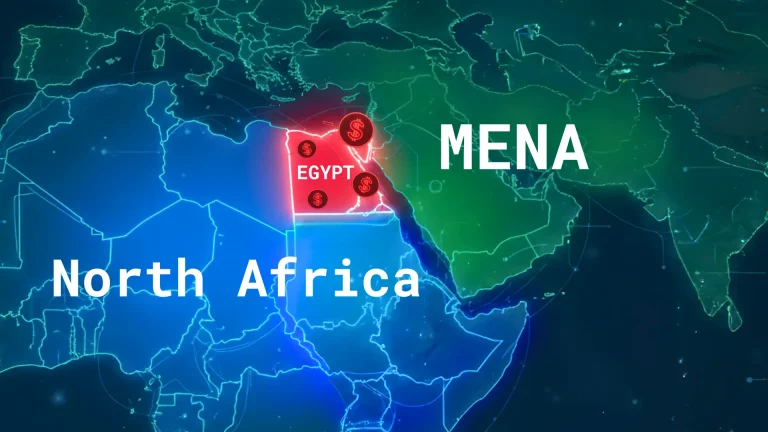
Acronyms like “CIS” (Commonwealth of Independent States) and “MENA” (Middle East & North Africa) are easy shortcuts in conversation, but they can be risky in contracts. They’re not legally defined and can change over time.
The CIS Issue:
The CIS used to include former Soviet republics, but now it’s politically unstable, with countries like Ukraine and Georgia distancing themselves from the group. So, if you use “CIS” in a 5-year license agreement, it could mean something different in the first year compared to the last. This kind of uncertainty can ruin deals.
The MENA Issue:
The definition of MENA can vary widely, especially when it comes to countries like Turkey, Israel, and Iran. Some buyers consider Turkey part of Europe, while others include it in MENA. Including Israel in a pan-MENA deal can even spark censorship or boycotts in some Arab markets.
The Takeaway:
Avoid using acronyms. They’re too flexible and open to interpretation. Contracts need precise, clear terms, not “dynamic definitions.”
2.3. The Annex Strategy: Shifting from General Labels to Clear Country Lists
The best way to define territories with zero ambiguity is through the Annex Strategy. Instead of vague labels, this method uses detailed lists to eliminate guesswork.
How It Works:
Instead of saying “Territory: Central Asia,” the contract says “Territory: As defined in Annex A.” This Annex includes a comprehensive, alphabetical list of every country covered by the deal.
Why It Matters:
This kind of clarity speeds up the sales process. It removes the need for buyers to spend time figuring out what exactly they’re purchasing. It also makes windowing easier, selling content to different buyers in neighboring countries without overlapping rights.
3. Financial Impact & ROI Strategy
3.1. Avoiding Overlap: Why Exclusivity is Key to Maximizing Revenue
Exclusivity is the biggest driver of value in film distribution. A “clean rights” package, where everything is clearly defined, can fetch a premium price. But if the rights are unclear or overlapping, you’re forced into discounting the deal.
The Valuation Metric
Buyers pay a premium for certainty that they hold truly exclusive rights in a region.
If there is ambiguity, for example, whether a post-Soviet border state falls under Eastern Europe or the Caucasus major platforms like Netflix or HBO may cut their offer by 20-30% or insist on additional legal protections.
The “Double-Dip” Trap
Some distributors try to squeeze extra revenue by selling overlapping rights, for instance, granting a streamer “global rights” while also selling local TV rights in regions with fuzzy borders. This looks profitable in the short term, but it usually backfires: trust erodes, partners become cautious, and the risk of legal disputes increases, wiping out any temporary gains.
3.2. Managing Holdbacks: Protecting Your Windowing Strategy in Multi-Territory Deals
Holdbacks: Time Barriers for Content Release :
Holdbacks are the “time barriers” that preserve the value of different release windows (e.g., theatrical → VOD → SVOD → free TV).
When managing multiple territories, it’s critical to define these time periods precisely, ensuring that releases don’t overlap and devalue each stage of distribution.
The Spillover Risk :
Without clear territory definitions, a digital release in one country can undermine the theatrical release in a neighboring country.
Example:
If a film is released on VOD in a vaguely defined “Eastern Europe,” and geo-blocking isn’t strict, viewers in a neighboring Caucasus or post-Soviet border state, where the film is still in theaters, could access the VOD version through a VPN, impacting box office sales.
Strategic Synchronization: Tying Holdbacks to Territories :
Holdback clauses need to be tied to specific country lists (Annex List). Without precise territory definitions, enforcing a “6-month holdback” is impossible.
Clearly defined territories ensure that, for example, a VOD release in an Eastern European market doesn’t violate a theatrical holdback in a Caucasus or post-Soviet border state licensed separately.
3.3. The Hidden Costs of Legal Disputes: Prevention vs. Litigation
The "Frozen Asset" Problem:
When a dispute arises (for example, two distributors fighting over the rights to a post-Soviet border state in Eastern Europe or the Caucasus), the content often becomes unsellable globally until the issue is resolved. This means lost opportunities, missed trends, and a frozen cash flow.
Cost Breakdown:
Prevention: A couple of hours of legal work to draft a specific country annex for the contract. Minimal cost.
Litigation: $50,000+ in legal fees, plus months of lost revenue while the content is locked up, plus long-term damage to your reputation with buyers.
The Verdict:
Ambiguity is like “unsecured debt” on your balance sheet. The cheapest form of insurance is simply getting the details right up front.
4. Crafting Effective Contracts for Rights Management
4.1. Writing the "Territory" Clause: Key Legal Considerations
The “Territory” clause is one of the most important parts of any distribution deal. It needs to be crystal clear: a country is either included or excluded. There’s no room for vagueness.
The "Exclusionary" Approach:
It’s usually safer to specify what’s excluded rather than what’s included, especially when dealing with larger regions.
Bad Drafting:
“Territory: The Middle East.”
This is too vague and can lead to disputes.
Good Drafting:
Territory: The countries listed in Annex A, expressly excluding Turkey, Israel, and Iran.”
This clearly defines what’s included and what’s not.
Avoid the "Universe" Trap:
Don’t use outdated or overly broad terms like “The Universe” or “Solar System” unless you really do have global rights. Stick with terms like “The World” or be specific with the territories you’re covering.
Consider Political Changes:
It’s important to include a “Sovereignty Clause.” This ensures you’re covered if any territory becomes independent during the license period (e.g., a country secedes).
Example Clause:
“The Territory shall be defined by the political borders existing as of the Effective Date.”
This helps protect you from future political changes and ensures there’s no confusion if a region changes its borders.
4.2. Language and Geography: Managing the Risk of Uncontrolled Distribution
In the age of streaming, language has become a stand-in for territory. A user in a country where you don’t have a license can still access content if it’s available in their language.
Don’t Tie Language to Territory Automatically
Never grant “All Language Rights” with a territory. Always be specific in defining which languages are included in the deal. This avoids the risk of the buyer trying to sell rights outside the agreed-upon region.
The Risk: Overlapping Language Rights
If you grant rights to “German-speaking Europe,” a buyer might try to extend the rights to other regions where German is spoken, such as parts of Eastern Europe, even though you don’t have a license there.
Be Specific About Authorized Languages
List the exact languages (for both dubbing and subtitling) allowed in the territory. For example:
“Licensee may exploit the Picture in the Territory solely in the Authorized Languages: [List specific languages]. All other languages are reserved by Licensor.”
The “Original Version” Issue
If you’re selling rights to a film in one language (e.g., English), make sure to protect the “Original Version” (OV). Ensure your buyer doesn’t leak the English version online, as this could harm your sales in other regions, like the UK or the USA.
4.3. Geo-Blocking: How to Control Digital and Streaming Rights
Digital borders can be easily crossed, so contracts need to include provisions for technical protections that replicate real-world borders.
Geo-Blocking Requirements
The contract should require the Licensee to use “Industry Standard Geo-Blocking Technology.” This includes:
- IP address filtering
- Credit card origin verification
- Anti-VPN measures
Liability for "Overspill"
You should define what’s acceptable in terms of “overspill.” Some minor spillover (like satellite signals crossing borders) can’t always be prevented, but digital overspill can be.
Clause Example:
“Licensee shall take all commercially reasonable measures to prevent access outside the Territory. Any deliberate failure to Geo-Block constitutes a material breach.”
Platform Responsibility
If the Licensee sub-licenses content to a platform (e.g., a local VOD site), make sure they are held accountable for any geo-blocking failures on that platform.
5. Looking Ahead: Emerging Trends & Technologies (Insights from MIPCOM)
5.1. Content Mobility: Understanding How Viewer Habits Are Changing
The Diaspora Effect:
Migrant communities are fueling demand for their native content in new territories. For example, a “Central Asia” rights package now isn’t just about audiences in Uzbekistan; it also covers diaspora groups in places like Europe and the US.
The "Subtitle Acceptance" Trend:
Younger viewers, especially Gen Z, are increasingly open to watching content in its original language with subtitles. This trend boosts the value of “Rest of World” rights but also increases the risk of grey-market piracy if content isn’t readily available through legal channels.
Strategic Shift:
Distributors now need to consider “Territory Rights” not only based on local population size but also on the global reach of that language’s diaspora. It’s about seeing the bigger picture of where your audience might be.
5.2. The Role of AI: How AI-Driven Localization Can Affect Territory Rights
The Disruption: AI in Localization
AI tools that sync dubbing and automate subtitling are revolutionizing localization. This enables local distributors to create high-quality multi-language tracks quickly and at a low cost.
The New Risk: Unauthorized AI Dubbing
This opens up the possibility for smaller distributors to use AI to create an unauthorized English dub, which could leak and directly compete with premium markets like the US and UK.
Protecting Against Unauthorized AI Localization
Contracts must specifically block unauthorized AI localization to prevent this risk. This ensures that AI-generated dubbing or subtitling is prohibited unless explicitly allowed.
5.3. Strategies for Emerging Markets
Emerging markets, including regions like Central Asia, LATAM, and Africa, are skipping traditional TV and going straight to mobile and FAST (Free Ad-supported Streaming TV).
The FAST Revolution:
In areas where people are tired of subscriptions but mobile data is cheap, FAST channels are driving growth. These free streaming services are the go-to choice for many viewers.
Volume Over Unit Price:
To tap into these markets, a volume-based approach works best. Instead of negotiating big fees for individual films, distributors often bundle content libraries to satisfy the huge demand of AVOD/FAST platforms.
Flexible Windowing:
In emerging markets, traditional release strategies don’t always work due to high piracy rates. A “Day-and-Date” release (where content is launched simultaneously across platforms) or shorter windows is often the best strategy to get ahead of piracy and capitalize on demand.
6. Practical Tools for Industry Professionals
6.1. The Negotiation Checklist: Key Questions to Ask Before Signing Any Deal
Before you finalize any distribution agreement, make sure to run through this checklist to uncover any potential issues. If the other party hesitates on any of these questions, it might be a sign of bigger problems, especially when it comes to holdback violations.
The "Border Stress Test" :
Question: “Do we have a specific list of countries for this region, or are we using a general, vague definition?”
Goal: Make sure there’s a clear, specific list of countries (i.e., an Annex List) to avoid confusion later
The “Swing Jurisdiction” Clause :
Question: ““What’s the exact status of politically sensitive or ‘swing’ jurisdictions such as post-Soviet border states in Eastern Europe or the Caucasus, or other contested territories, in this agreement?”
Goal: Be crystal clear about these jurisdictions to avoid any legal or political headaches down the lin
Language Spillover Check :
Question: “Are we granting ‘All Language Rights’ or just rights for the ‘Local Language’?”
Goal: Prevent a licensee from distributing an English or Russian-language version that could undermine sales in EU or neighboring premium markets.
The "AI Prohibition" :
Question: “Does the contract clearly forbid the use of AI to create unauthorized dubs or subtitles?”
Goal: Safeguard the quality and integrity of your official localized versions, and stop cheap, low-quality AI dubs from damaging your brand.
Geo-Blocking Indemnity :
Question: “If there’s digital leakage, who’s responsible for the lost revenue in neighboring territories?”
Goal: Make sure the Licensee is on the hook for any technical failures that lead to lost revenue.