Lumière film festival
Lyon
Festival at a Glance
Festival Website
https://www.festival-lumiere.org/en
Contact Email
Submission Platform
Event Dates
October 10 – October 18, 2026
Submission Fee
Free
Festival Type
October 10 – October 18, 2026
Suitable For
Classic and restored films, retrospectives on directors and cinema history, cine-concerts, tributes to filmmakers; suitable for cinephiles, film historians, professionals, and general public interested in film heritage
Estimated Participants
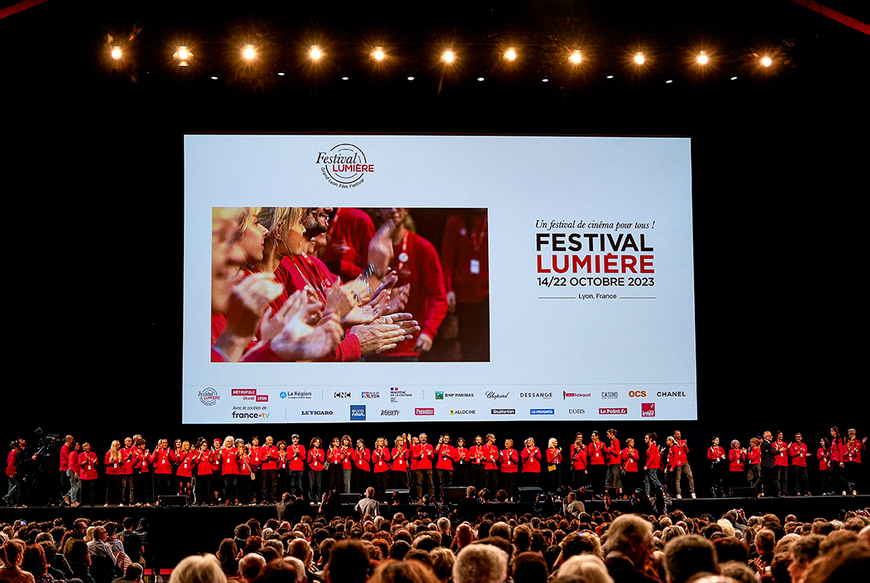
Approximately 150,000-200,000 attendees, including public, professionals, and guests (based on recent editions: 127,000 in 2023, upwards of 185,000 planned in 2022)
Location
Lyon, France
Festival Location
Acceptance Difficulty
Easy
Moderate
Very Competitive
Festival Guide
Overview
Film Submission Details
Participators
Technical Specs
Requirements
Genres
Travel Perks
Past Winners
Success Story
Festival Overview
The Lumière Film Festival (Festival Lumière) is a prestigious annual event dedicated to celebrating classic cinema, held in the historic city of Lyon in Auvergne-Rhône-Alpes, France. Established in 2009, it is recognized as one of Europe’s leading festivals focused on film heritage, serving as a vibrant showcase for a diverse range of restored films, retrospectives, cine-concerts, masterclasses, conversations, exhibitions, and tributes to renowned filmmakers and talents.
Who Is Lumière film festival Best For?
Cinephiles and classic film enthusiasts seeking to experience restored masterpieces, retrospectives, ciné-concerts, and historical screenings on the big screen.
Film historians, students, and professionals interested in cinema heritage, masterclasses, tributes to legendary directors and actors, exhibitions, and discussions on preservation and innovation.
The general public wanting a cultural, non-competitive festival with accessible events, star guests, and immersive experiences in the birthplace of cinema.
Anyone bridging past and present in film through inclusive events, conversations, and a focus on celebrating cinematic legacies.
✅ Good Fit If
Your film is a restored classic, heritage documentary on cinema history, a filmmaker tribute, or a work related to film preservation/past cinema (e.g., documentaries about directors, national cinematographies, or key films/personalities).
You are aiming for a French or international premiere in a heritage-focused context (required for documentaries and Lumière Classics proposals; films must be available in DCP format with appropriate subtitles).
Your project has strong historical, cultural, or archival relevance, focusing on cinema before 1990 (for Lumière Classics) or on documentary subjects tied to film heritage.
You seek exposure among cinephiles, film historians, professionals in restoration/distribution, and a massive heritage-loving audience (150,000–200,000 attendees), with opportunities for screenings in Lyon’s iconic venues and potential inclusion in retrospectives or special sections.
❌ Not a Good Fit If
Your film is contemporary fiction, new independent features, shorts, or experimental works without a direct tie to classic/heritage cinema (the festival does not feature competitive new films or general open calls for modern productions).
The film is a recent release without archival/restoration value or has no connection to cinema history (Lumière focuses on retrospectives, restored prints, cine-concerts, and heritage documentaries not premieres of current narrative features).
You are looking for easy acceptance or a competitive new film festival (the program is curated/invited; only specific proposals for documentaries or Lumière Classics are accepted, with strict limits like max 3 entries per organization and pre-1990 focus for classics).
Who Might Not Be a Good Fit?
Low-budget contemporary projects without strong historical or archival identity.
Films already widely released without restoration/preview needs in a heritage context.
Commercial or genre-driven modern studio projects lacking festival prestige in classic cinema circles or unrelated to film heritage (must align with preservation, retrospectives, or cinema history themes).
key festival Facts
Founded:
2009
Location:
Lyon, France
Festival Type:
Classic film festival / Film heritage / Retrospectives / Cine-concerts / Public open
Frequency:
Annual (October)
Submission Platform:
Festival site (download form and email) + https://www.festival-lumiere.org/en/informations/inscription-documentaires.html (for documentaries); https://www.festival-lumiere.org/en/informations/inscrivez-un-film-lumiere-classics.html (for classics)Premiere Status:
French premiere preferred for new documentaries or restorations (not required for retrospectives; films must not have been widely screened recently in France for heritage focus)
Submission Notes:
As of February 2026, the Lumière Film Festival (Festival Lumière) is a curated, invitation-only event with no general open call for film submissions or standard competitive entries for new or contemporary features. The festival focuses on film heritage, retrospectives, restored classics, cine-concerts, tributes, and selected documentaries on cinema history—programming is handled by the Institut Lumière’s artistic team.
However, there are limited targeted calls for specific sections:
- Lumière Classics (restored prints of pre-1990 films): Proposals are invited from archives, film libraries, producers, distributors, and studios. For recent editions (e.g., 2025), submissions closed in mid-June (June 20, 2025), with films required in DCP format, subtitled appropriately, and available by late September. No entry fee; limited to 3 proposals per organization.
- Documentaries (on filmmakers, cinema personalities, films, national cinematographies, or film history): Proposals for preview screenings are accepted via a registration form. For 2025, the deadline was late June (June 27, 2025), with material needed by end of September. No entry fee; focus on French or international premieres in a heritage context.
For the 2026 edition (October 10–18, 2026), no specific submission deadlines or open calls have been announced yet on the official site as of February 2026—check https://www.festival-lumiere.org/en for updates closer to mid-2026.
Submissions/proposals are free (no registration or entry fee), but strictly limited to heritage-related content (restorations, documentaries on cinema history, etc.). Contemporary narrative features, shorts without archival ties, or general new films are not accepted. Contact the festival directly ([email protected]) for any targeted proposals.
The official festival site (festival-lumiere.org) does not provide a general 2026 competitive selection submission criteria or participation requirements (such as premiere status, production year, filmmaker nationality) for the main programme. For the heritage Lumière Classics strand, the official submission conditions require:
Proposals must be for films created before 1990.
Up to three entries per organization.
Provide a DVD or unlimited streaming link.
Films must be screened in exclusivity at the festival.
Films must be submitted in DCP format and subtitled in French (non-French language) or include English subtitles for French films.
festival-lumiere.org
Genres & Program Sections
Classic cinema, retrospectives (e.g., women filmmakers, East German cinema, Japanese studio films)
Success Stories
The festival has celebrated cinematic legacies and generated buzz for classic films through retrospectives of directors like Martin Ritt, Seijun Suzuki, and Konrad Wolf.
Recent highlights include Michael Mann receiving the Lumière Award in 2025 and Isabelle Huppert in 2024. It has honored icons like Quentin Tarantino and hosted stars like John Woo, enhancing global visibility for film heritage.
Awards & Recognition :
Lumière Award (Prix Lumière): Awarded annually to honor a major international figure for their entire body of work and contributions to cinema history. Recent recipients include Michael Mann (2025) and Isabelle Huppert (2024), following legends like Quentin Tarantino, Martin Scorsese, Jane Fonda, and Clint Eastwood.
Festival Prizes for Professionals: Several specialized awards recognize contributions to cinema preservation, writing, and industry roles, including the Bernard Chardère Prize (for critics, historians, authors, or publishers), the Raymond Chirat Prize (for efforts in preserving film history), the Fabienne Vonier Prize (for women in the film industry), and the Pierre Rissient Prize.
The festival also occasionally presents special recognitions, such as the inaugural FIPRESCI Legacy Award in 2025.
(Note: The Festival Lumière focuses on celebrating film heritage through retrospectives, restorations, and tributes rather than competitive feature film competitions with jury or audience awards for new films. It is distinct from the Prix Lumières, the French-speaking cinema awards ceremony held separately in Paris.)
Travel Perks :
Train ticket discounts (40% off on Saturdays, free for children) with SNCF TER Rhône-Alpes