Game Rights for Sale: Market Overview
A comprehensive B2B guide to acquiring, licensing, and distributing video game intellectual property in the global entertainment ecosystem.
Table of Contents
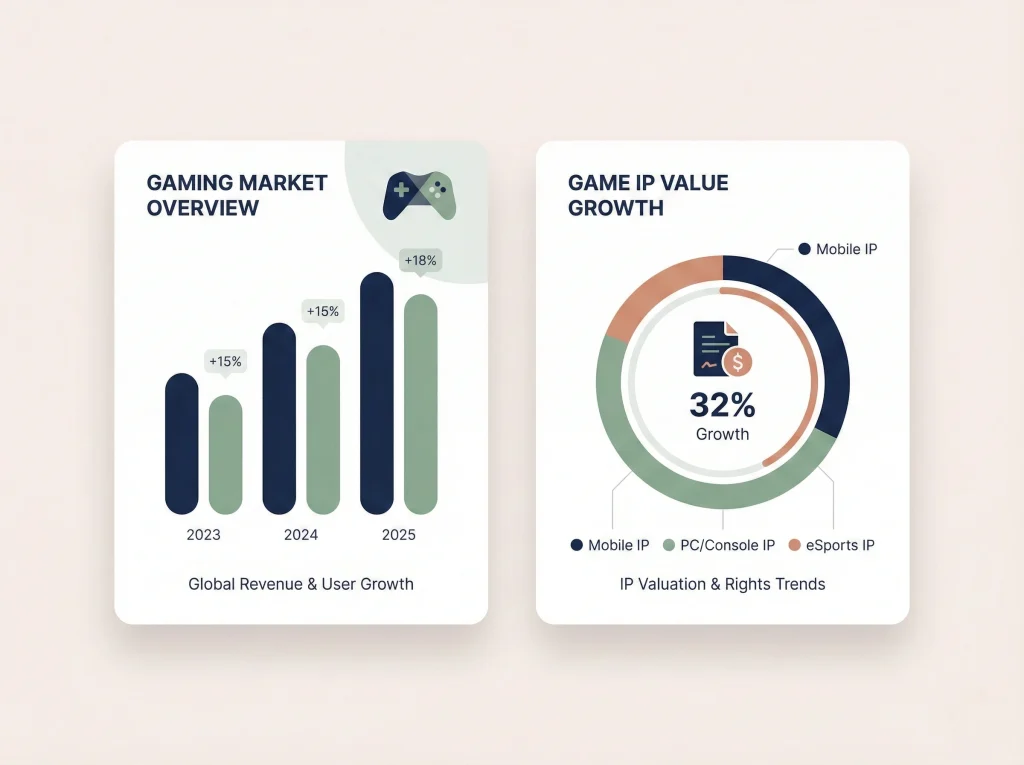
The global intellectual property (IP) market is rapidly changing.
Film rights distributors, venture capitalists, and media giants are all jumping into the world of gaming IP, as interactive media is now consistently out-earning traditional box office revenues.
When you’re looking at Game Rights for Sale, buyers are entering a market where transmedia opportunities are huge one video game property can be monetized through console releases, mobile versions, movie adaptations, and merchandise.
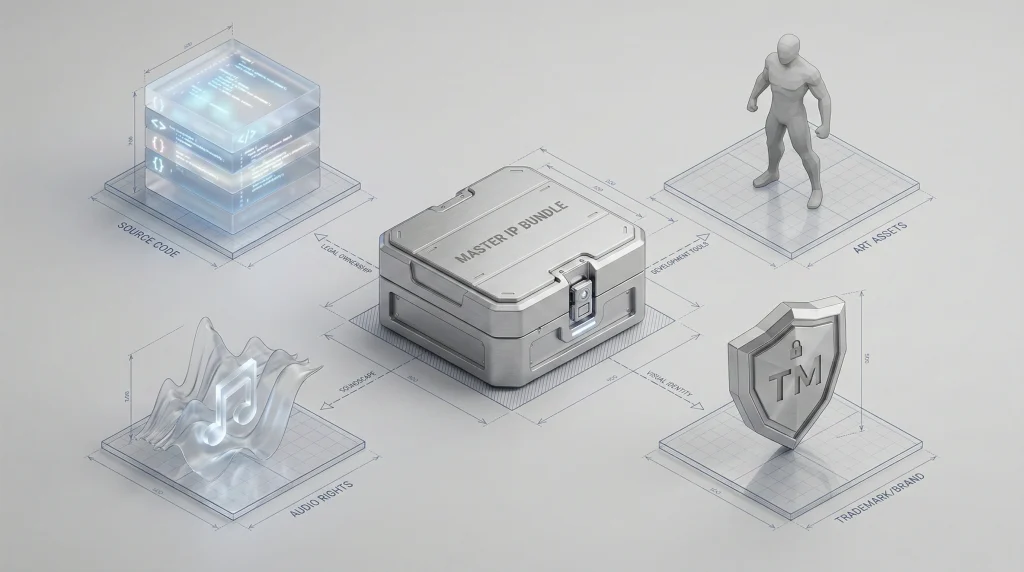
In the B2B world, “Game Rights” aren’t a single legal document. A video game is a multimedia creation, so game rights are actually a mix of different intellectual property rights.
To fully own or control a game’s IP, you need to secure the “Chain of Title” across four key legal areas:
Copyrights: This protects the fixed, tangible parts of the game, like the software (source code), the story/script, dialogue, character designs, 2D/3D art, and the original music score (which requires both synchronization and master use licenses).
Trademarks: This protects the game’s brand identity, including the game title, studio logo, character names, and marketing slogans. Trademarks are essential for merchandising the IP and stopping counterfeit products.
Patents: This covers the underlying tech and utility, like game engines, unique user interfaces, specific AI algorithms, or custom VR/AR hardware. (Note: Gameplay ideas or genres themselves can’t be patented or copyrighted.)
Ancillary & Transmedia Rights: These are the rights to adapt the game into other media, like film, TV, streaming spin-offs, comics, or board games. These rights are often the most lucrative.
Finding top-tier game IP means navigating specialized B2B channels. High-value franchises aren’t going to be listed on public auction sites. To acquire game rights, you’ll need to go through these specific acquisition channels:
1. Dedicated B2B IP Licensing Marketplaces
Platforms like Layer Licensing and Brandbridge have been created to connect IP owners (licensors) with developers, publishers, and film producers (licensees). These marketplaces let buyers browse through pre-vetted game IP, filter by audience demographics, and directly make commercial proposals.
2. Direct Studio M&A and Publisher Outreach
The most valuable Game Rights for Sale are typically acquired through Mergers and Acquisitions (M&A). If you want to acquire an established franchise, you’ll need to reach out directly to the business development teams of the publishers who own the rights (like Embracer Group, Take-Two, or indie publishers). Buyers often focus on mid-sized studios that have a strong, proven IP portfolio but lack the capital to fund their next project.
3. IP Brokers and Liquidators (Defunct Studios/Abandonware)
When a game studio goes bankrupt, its IP assets are sold off to pay creditors. B2B buyers can acquire the rights to classic or “abandoned” games for a fraction of their original development cost by keeping an eye on bankruptcy filings, working with specialized IP brokers, or participating in private liquidation auctions.
4. Digital Asset Wholesale Platforms
For buyers who want to distribute existing games instead of owning the underlying IP, wholesale distribution platforms like CodesWholesale offer API access to bulk digital game keys. While this is about distribution (not IP acquisition), it’s a crucial channel for platforms aiming to build out their retail gaming catalogs.
Acquire & Sell Game IP
0% Fees
Join Rightika to buy or sell game rights with ease. From video games to transmedia opportunities, manage your intellectual property securely and grow your revenue streams.
Yes, corporate entities, production studios, and competing publishers often buy video game rights. However, a game isn’t just one physical asset it’s a bundle of copyrights, trademarks, and source code. When asking “Can You Buy the Rights to a Game?”, the first step is to define the scope of the deal: Are you acquiring the entire asset, or just licensing the right to use it?
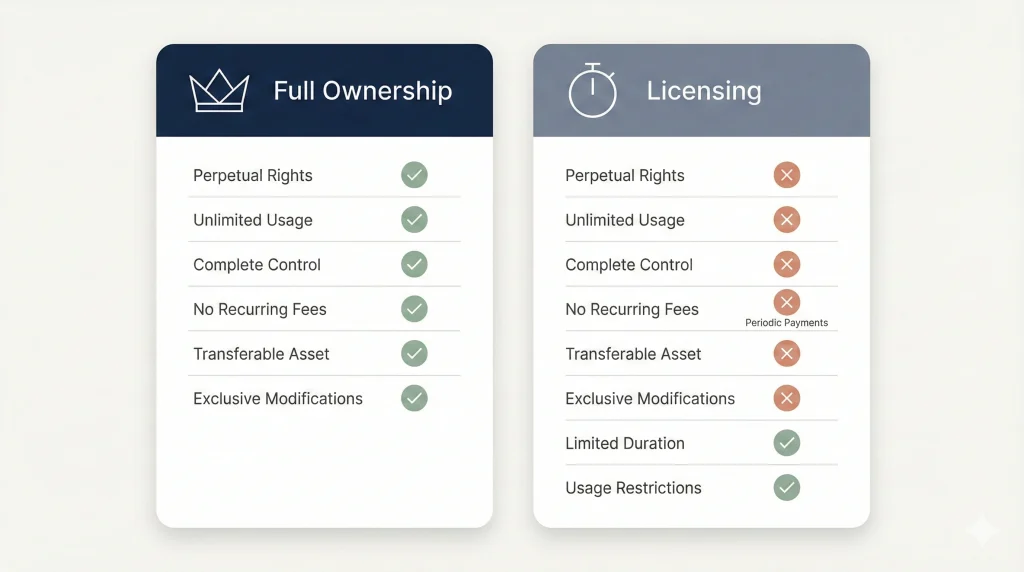
The key decision in IP acquisition is choosing between an Outright Acquisition (where you buy the full rights) and a Commercial License (where you rent the rights for specific uses).
Acquisition Type
Structure & Financials
Pros
Cons
Outright Acquisition (IP Assignment)
Permanent transfer of ownership.
Requires a large upfront investment.
Complete control.You keep 100% of future revenues, develop sequels, reboot franchises, and sell film rights without approval.
Inherit any legal issues (e.g., uncleared third-party assets).
Exclusive Licensing
Leasing the IP for specific uses.
Defined by Term, Territory, and ScopeLower upfront fee (Minimum Guarantee), plus ongoing royalties.
Lower initial financial risk and upfront capital required.
Original publisher retains ownership. You must pay a percentage of sales back to the licensor.
To safely buy video game rights, you need a solid legal process to make sure the IP is clear and can be transferred.
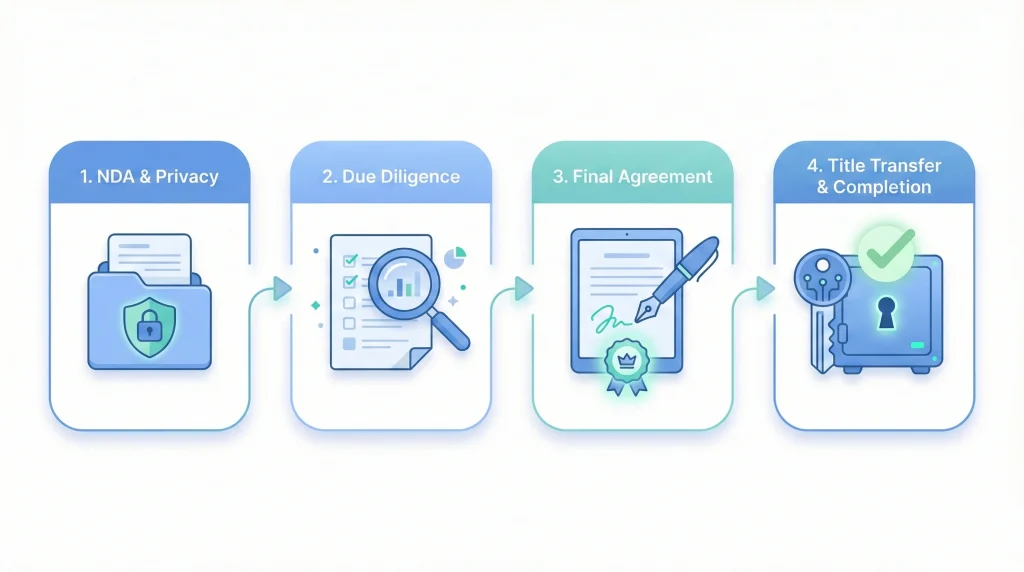
Sign an NDA and Term Sheet:
Before reviewing sensitive materials like source code or financial data, both parties sign a Non-Disclosure Agreement (NDA). After initial discussions, create a Term Sheet that outlines the purchase price, what assets are included, and the terms for closing the deal.
Verify the Chain of Title:
This is the most important step. You need to make sure the studio selling the game actually owns the rights. Check all employment contracts and independent contractor agreements. For example, if a freelance 3D artist or composer didn’t sign a “Work for Hire” or IP assignment agreement, they could still own parts of the game’s assets, which could ruin the deal.
Create the Asset Purchase Agreement (APA):
Instead of buying the entire company (which could include hidden debts), create an APA to buy only the specific IP assets (such as the game’s code, art, trademarks, domain names, and player databases).
Transfer and Record Ownership:
After the deal closes, transfer the source code and master files. Immediately file the IP Assignment documents with the appropriate legal bodies (like the US Copyright Office and USPTO) to make your ownership official and enforceable.
How to Buy the Rights to a Video Game
Buying video game rights is a complex B2B transaction that requires careful coordination of legal, financial, and technical factors. If you’re wondering how to buy the rights to a video game, you need to follow a structured acquisition process to make sure the IP is both commercially viable and legally secure.
The Process to Buy Video Game Rights
Acquiring game IP follows a clear sequence of steps. Whether you’re dealing with an indie studio or a mid-sized publisher, the process remains the same:
1. Identify the True Legal Owner: Game development is often split up, and the developer who coded the game might not actually own the IP the publisher does. Use IP databases (like USPTO or WIPO) to find the real trademark and copyright holder before reaching out.
2. Submit a Letter of Intent (LOI):
Start by contacting the target company’s Business Development or Licensing department. Submit an LOI that outlines your plan, including whether you’re aiming for an outright purchase or an exclusive license, and your financial capacity.
3. Audit Third-Party Licenses:
Modern games often use third-party tools (like Unreal Engine or Havok physics) and licensed music. During due diligence, make sure these sub-licenses can be transferred to your company. If they can’t, you’ll face significant legal and financial challenges in keeping the game running.
4. Sign the Asset Purchase Agreement (APA):
Once the terms are set, sign the APA. This agreement should clearly list all the assets being transferred: source code, 3D models, audio files, player databases, domain names, and all related copyrights.
Acquire & Sell Game IP
0% Fees
Join Rightika to buy or sell game rights with ease. From video games to transmedia opportunities, manage your intellectual property securely and grow your revenue streams.
How to Buy the Rights to a Video Game Franchise
Acquiring a single game is relatively straightforward, but buying a multi-title franchise is a whole different ballgame. When looking at how to buy the rights to a video game franchise, you’re essentially buying an entire ecosystem of IP, lore, and ongoing revenue streams.
To successfully acquire a franchise, your contract should clearly cover these key points:
Back-Catalog Revenue:
Define the cut-off date for royalties. You’ll need to establish who gets the revenue from the games that are already available on platforms like Steam, PlayStation Network, or Xbox Live
- Sequel and Remake Rights:
- The deal should grant you the full rights to develop sequels, prequels, mobile versions, and remasters using the franchise’s characters and source code.
- Transmedia Exclusivity:
- As a film/TV rights expert, this is your key focus. Ensure that the acquisition includes exclusive cinematic and merchandising rights. If the original publisher already sold the film rights to another company, it could reduce the franchise’s value in other media.
- The “IP Bible” and Legacy Assets:
- Make sure the deal includes the franchise’s “IP Bible”the guide that outlines the universe’s lore, character backstories, and visual brand guidelines. This is essential for maintaining consistency across the franchise.
How Much Does it Cost to Buy the Rights to a Video Game?
The cost of acquiring game IP can vary widely. If you’re wondering “How much does it cost to buy the rights to a video game?”, it depends on what you’re buying. An abandoned indie game might cost under $10,000, while a AAA franchise could run into the tens or even hundreds of millions.
Calculating Upfront Costs and Royalties
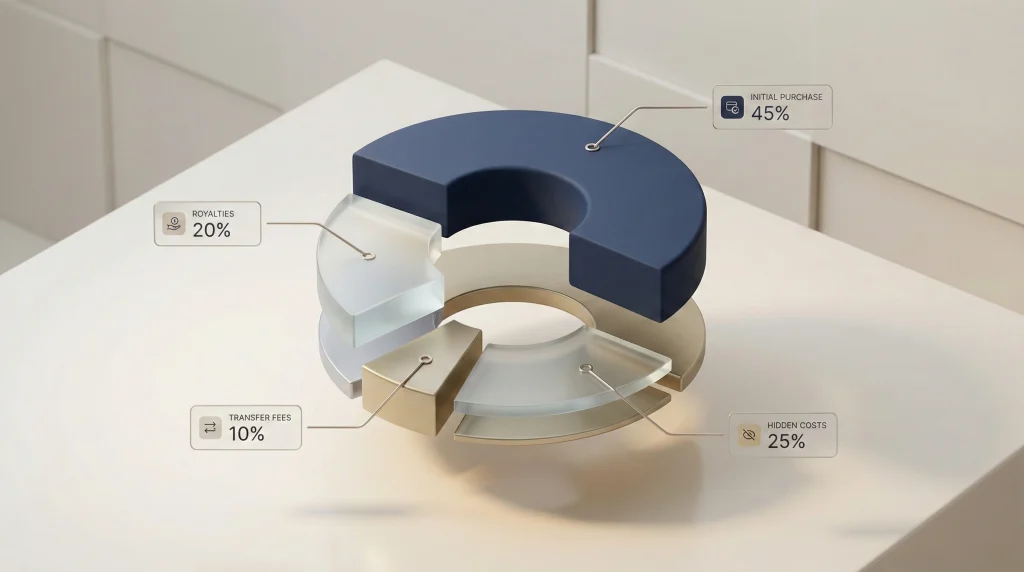
When you choose to license a game’s IP instead of buying it outright, the financial structure usually involves two main parts:
Upfront Fees (Minimum Guarantees):
Licensors often require an upfront payment before granting you the rights to the game. This Minimum Guarantee acts as an advance on future earnings. For niche or retro games, this might range from $10,000 to $50,000. For more well-known, mid-tier IPs, upfront fees typically start around $250,000 to $1,000,000+.
Royalties:
You’ll pay a percentage of the revenue the game or its adaptations generate. Typically, royalties range from 5% to 15% of Gross Revenue, or 20% to 30% of Net Profits.
o Note on Transmedia Deals: If you’re acquiring film rights for a game, the royalty structure should clearly define the “Net Proceeds” from box office and streaming revenues. It should outline which marketing and distribution costs the studio can deduct before paying the original game publisher.
Legal Fees for IP Transfer
The hidden costs of acquiring game rights often come from the legal side of things. B2B IP transfers are complex and require specialized attorneys with expertise in entertainment or technology law. When budgeting for an acquisition, keep in mind the following legal expenses:
Hourly Rates vs. Flat Fees:
- Video game IP attorneys typically charge between $300 to $800 per hour. For simpler tasks like drafting a licensing agreement, you might pay a flat fee of $3,000 to $5,000, but for full Mergers and Acquisitions (M&A) representation, you’ll be billed hourly.
Chain of Title Due Diligence:
- Legal teams will need to audit the game’s code, employment contracts, and third-party middleware licenses (like Unreal Engine or Unity) to ensure everything is properly cleared. This due diligence can cost anywhere from $15,000 to $50,000+, depending on the size and complexity of the game’s back-catalog.
Filing and Recordation Fees:
- Once the Asset Purchase Agreement is signed, you’ll need to pay government filing fees to officially transfer the copyrights and trademarks into your company’s name across all relevant international jurisdictions (such as USPTO, EUIPO, or WIPO).
Acquiring Rights for Niche Game Formats
The transmedia IP landscape goes well beyond traditional PC and console gaming. Corporate buyers are increasingly looking at niche formats like tabletop games and spatial computing (AR/VR) because of their engaged audiences and unique ways of making money. However, the intellectual property framework for these formats is quite different from that of standard video games.
How to Buy the Rights Board Game (Tabletop IP)
The tabletop market is booming, making board game IP highly valuable for digital game ports and film adaptations. However, when looking to buy the rights to a board game, it’s important to understand a key legal point: game mechanics cannot be copyrighted. You can’t own concepts like rolling dice to move a token or trading resources. To fully acquire a board game’s IP, your Asset Purchase Agreement must focus on the expressive elements:
Trademarks:
The game’s name, logo, and catchy phrases. These are the most valuable assets, as they carry the brand recognition and marketing power.
Copyrights:
This covers the written text in the rulebook, the game’s narrative, character designs, and the artwork on the board, cards, and miniatures.
Patents (Rare):
In rare cases, a unique physical component or mechanical game system can be patented, but this requires a complex and expensive patent transfer process.
Securing Augmented Reality Game Rights
Augmented Reality (AR) blends digital content with the physical world, which makes acquiring AR game rights more complicated. It brings additional legal concerns around real-world locations, data privacy, and third-party intellectual property.
When buying AR game IP, your legal due diligence must address:
Location-Based Data Rights:
Make sure the game’s code and databases have the legal rights to use GPS mapping and spatial data, and that they don’t violate the terms of service of the original data provider.
Real-World IP Overlays:
If the AR game places digital assets over trademarked buildings or copyrighted public art, you need to confirm that the original developer obtained the proper clearances or has a valid “Freedom of Panorama” defense.
Spatial Computing Patents:
Ensure you acquire any patents related to object tracking, facial recognition triggers, and environment mapping algorithms used in the game.
Acquiring VR Game Rights
Virtual Reality (VR) is the most immersive form of media, and acquiring VR game rights requires special attention to hardware compatibility and commercial licensing for Out-of-Home (OOH) use.
If you’re acquiring VR IP outright, make sure the agreement includes:
Hardware-Specific Source Code:
- VR games are tightly integrated with specific hardware (like Meta Quest tracking, PlayStation VR haptics, or SteamVR). You need the clear right to port, modify, and distribute the game’s code across all current and future headsets without restrictions.
Commercial Arcade Licensing Contracts:
- Unlike traditional games, VR games make significant revenue through B2B commercial arcades. When buying a VR game, check that you’re also acquiring the backend infrastructure and any Site License Programs (SLPs) that allow global arcades to charge customers on a “per-minute” basis to play the game.
Regional Rules for Character IP
Character IP is one of the most valuable assets in a transmedia portfolio. An iconic character can fuel decades of revenue from films, merchandise, and sequels. However, IP law isn’t the same everywhere. When acquiring character rights globally, corporate buyers need to navigate regional differences in copyright transfer and creator protections.
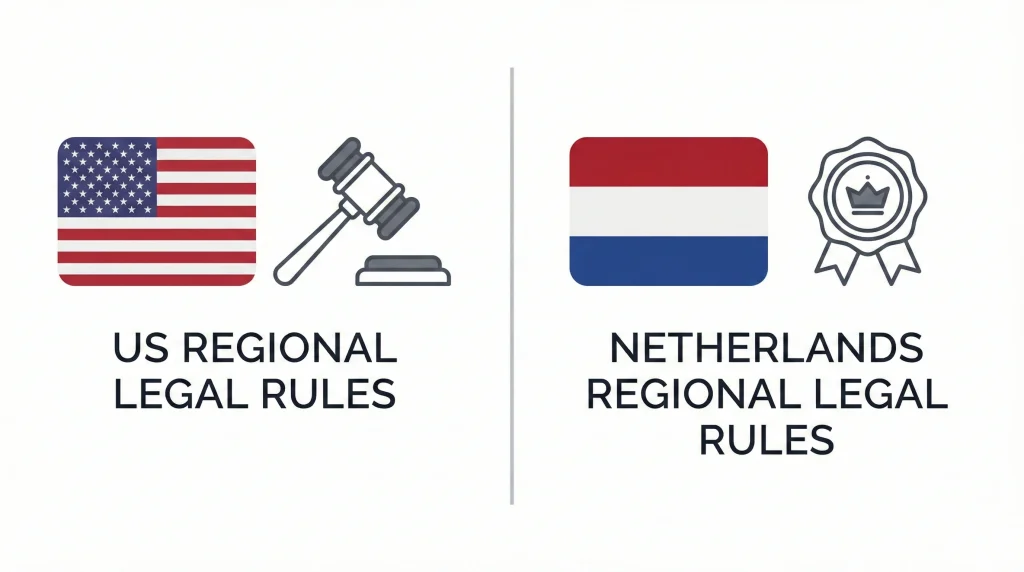
How to Buy Game Character Rights in the US
The United States is generally a favorable place for IP buyers, thanks to the “Work for Hire” rule. When looking at how to buy game character rights in the US, the legal framework is based on the uniqueness of the character and ensuring full corporate ownership.
The “Distinctiveness” Threshold:
- In the US, a character can only be protected by copyright if it’s highly unique and distinctive. Generic characters (like a typical medieval knight) can’t be copyrighted. To fully control the character, you need to acquire both the Copyright (which protects the character’s 2D/3D design, source code, and backstory) and the Trademark (which protects the character’s name and likeness for merchandising).
The Work for Hire Doctrine:
- In the US, if a studio employee creates a character as part of their job, the studio automatically owns the copyright. During an acquisition, your main focus should be auditing the studio’s HR records to ensure all freelance artists and writers signed “Work for Hire” and IP assignment agreements before creating the character.
How to Buy Game Character Rights in Netherlands
Acquiring IP in the European Union, particularly in the Netherlands, brings additional legal challenges due to the Dutch Copyright Act (Auteurswet) and the concept of Moral Rights.
Moral Rights (Droit Moral):
- Unlike the US, European law gives inherent rights to the original creator. Even if you buy 100% of the economic rights to a character, the original Dutch designer keeps Moral Rights. This means they can object if they feel their work is being damaged or misrepresented. For example, if you turn a heroic character into a villain in a film, the original creator might block the release unless they explicitly waived these rights in the original contract (where allowed).
Strict Transfer Deeds:
- The Dutch legal system doesn’t accept vague IP transfers. To transfer copyright, it must be done through a detailed, written deed. Your Asset Purchase Agreement should clearly outline every medium (like PC, mobile, film, board games) and territory for which the character rights are being transferred. If a right isn’t specifically mentioned, it may remain with the original creator.
How to Buy Game Character Rights in Other Countries
When expanding your transmedia IP acquisition into Asian markets like Japan, South Korea, or China, you’ll encounter unique corporate structures and trademark rules.
Production Committees (Japan):
- In Japan, valuable game and anime characters are often co-owned by a “Production Committee”, which is made up of multiple stakeholders, like the game publisher, a TV network, and a toy manufacturer. You can’t just buy the character rights from the developer you need to negotiate with the entire committee to buy or license the rights.
Strict Transfer Deeds:
- The Dutch legal system doesn’t accept vague IP transfers. To transfer copyright, it must be done through a detailed, written deed. Your Asset Purchase Agreement should clearly outline every medium (like PC, mobile, film, board games) and territory for which the character rights are being transferred. If a right isn’t specifically mentioned, it may remain with the original creator.
Acquire & Sell Game IP
0% Fees
Join Rightika to buy or sell game rights with ease. From video games to transmedia opportunities, manage your intellectual property securely and grow your revenue streams.
No Upfront Costs
Complete Control
Legal Protection
Start Buying or Selling Game Rights